Did you know that pro gamers were traditionally 95% wired until about 2020? That stat blew my mind when I first heard it! I remember sitting at my desk three years ago, absolutely fed up with the cable spaghetti nightmare behind my gaming setup. My mouse cord kept snagging on my keyboard, and I’d just rage-quit a ranked match because my headset cable yanked my controller right off the desk.
That was my breaking point. I went full wireless everything—mouse, keyboard, headset, controller. The whole shebang!
And honestly? It was both the best and worst decision I’ve made in my gaming life.
The Freedom Factor (And Why It’s Actually a Big Deal)
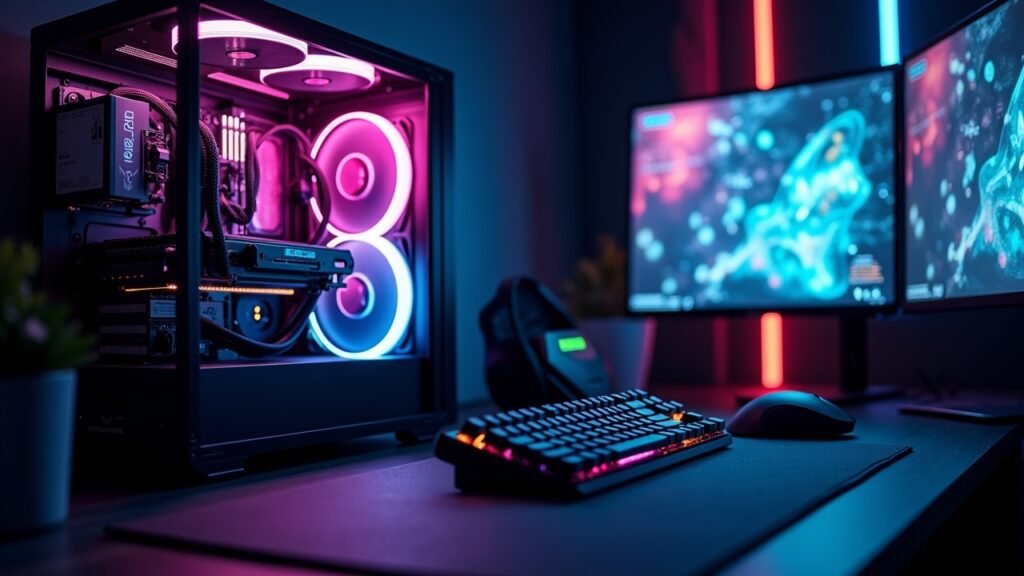
Let me paint you a picture. Before going wireless, I’d constantly get tangled up during intense gaming sessions. Like, I’m talking full-on wrestling match with cables when I’d lean back to stretch between rounds. My wired gaming mouse would drag across my mousepad with this annoying resistance that I didn’t even realize was there until it wasn’t.
Going wireless felt like someone removed invisible weights from my hands. The range of motion improved dramatically, and I could actually lean back in my chair without my headset getting ripped off my head. Plus, no more accidental unplugging during clutch moments—which had cost me more than one victory, trust me.
But here’s the kicker: that freedom comes with a price that goes beyond just the higher cost of wireless peripherals.
Input Lag: The Elephant in the Gaming Room
Okay, so this is where things got real for me. After about two months of wireless bliss, I noticed something off about my performance in competitive FPS games. My reaction times felt… sluggish? I couldn’t quite put my finger on it initially.
Turns out, wireless technology—even the fancy 2.4GHz stuff—introduces a tiny bit of latency. We’re talking milliseconds here, usually between 1-8ms depending on your gear. Now, for casual gaming, you’ll probably never notice this. But when you’re playing competitive shooters where every millisecond counts, it’s actually noticeable.
I tested this by switching back to my old wired mouse for a week. My aim felt crisper, more immediate. It wasn’t a huge difference, but it was there.
Battery Anxiety Is Real (And It Sucks)
Nobody talks about this enough! The constant worry about battery levels is legitimately stressful. I’ve lost count of how many times my wireless mouse died mid-match because I forgot to charge it overnight. There’s nothing quite like the panic of your headset beeping “low battery” during a crucial raid encounter.
Wired peripherals? They just work. Always. No charging cables cluttering your desk, no sudden deaths at the worst possible moment. The reliability factor is huge, and I’d honestly taken it for granted before switching.
These days, I keep my old wired mouse as a backup. It’s saved my butt more times than I care to admit!
The Cost Breakdown (Spoiler: It Adds Up Fast)
Here’s something that hit my wallet harder than expected. Quality wireless gaming peripherals cost significantly more than their wired counterparts—usually about 30-50% more for equivalent performance levels. My wireless setup cost me nearly $400 total, whereas a comparable wired setup would’ve been around $250.
Plus, you’ve got ongoing costs. Rechargeable batteries eventually wear out. Wireless dongles get lost (I’ve lost two already—they’re tiny!). And premium wireless tech becomes outdated faster, meaning you might upgrade more frequently.
My Current Setup: A Hybrid Approach

After living with both extremes, I’ve settled on what I call my “best of both worlds” setup. My mouse is wired because precision matters most there for me. My keyboard is wireless because, honestly, keyboard latency doesn’t matter much, and it cleans up my desk aesthetic beautifully.
For my headset, I use wireless for single-player games and casual multiplayer, but I’ll swap to wired for competitive sessions. Yeah, it’s extra work, but it gives me flexibility based on what I’m actually doing.
Controllers? Always wireless for me now. Playing on the couch is just too convenient to give up, and the latency on modern wireless controllers is honestly negligible for most gaming scenarios.
Making Your Choice Without the Regret
Look, I’m not gonna tell you which is definitively better because it really depends on your gaming style and priorities. But here’s what I’ve learned the hard way: if you’re primarily into competitive gaming where milliseconds matter—games like CS:GO, Valorant, or high-level Overwatch—wired is still king for mice and keyboards at least.
For everything else? Wireless has come a long way. Modern wireless tech is genuinely impressive, and the convenience factor shouldn’t be underestimated. Just be prepared for that battery management lifestyle and budget for higher upfront costs.
My advice? Start with one wireless peripheral and see how it feels. Don’t go all-in like I did! Test the waters with maybe a wireless keyboard first since that has the least performance impact. Then decide if the freedom is worth the tradeoffs for your other gear.
Finding Your Gaming Sweet Spot
At the end of the day, both wireless and wired setups have legitimate advantages. The “best” choice isn’t universal—it’s whatever makes your gaming experience more enjoyable without compromising the performance you need. I spent way too much time stressing about having the “perfect” setup when I should’ve just focused on what felt right for my actual gaming habits.
Whether you stick with the reliability of wired connections or embrace the freedom of wireless, make sure you’re choosing based on your real needs, not just the latest trends. And hey, there’s absolutely nothing wrong with mixing and matching like I do now!
Want to dive deeper into gaming tech and setup optimization? Head over to Voltzora where we cover everything from peripheral reviews to cable management tips (trust me, if you go wired, you’ll need those cable management tips). We’re constantly testing new gear and sharing real-world experiences—not just specs from manufacturer websites.