Okay, so here’s something wild – by 2026, the global VR market is projected to hit over $87 billion, and honestly? I’m not even surprised anymore. Last month, I spent three hours in VR without realizing it, and my wife literally had to drag me back to reality for dinner. That’s when I knew things had gotten serious with these new headsets!
Look, I’ve been testing VR gear since the clunky days of the Oculus Rift DK2, and 2026 has been absolutely bonkers for this technology. The stuff that’s hitting shelves now makes my old headsets look like View-Masters from the 90s.
Why This Year’s VR Headsets Actually Matter
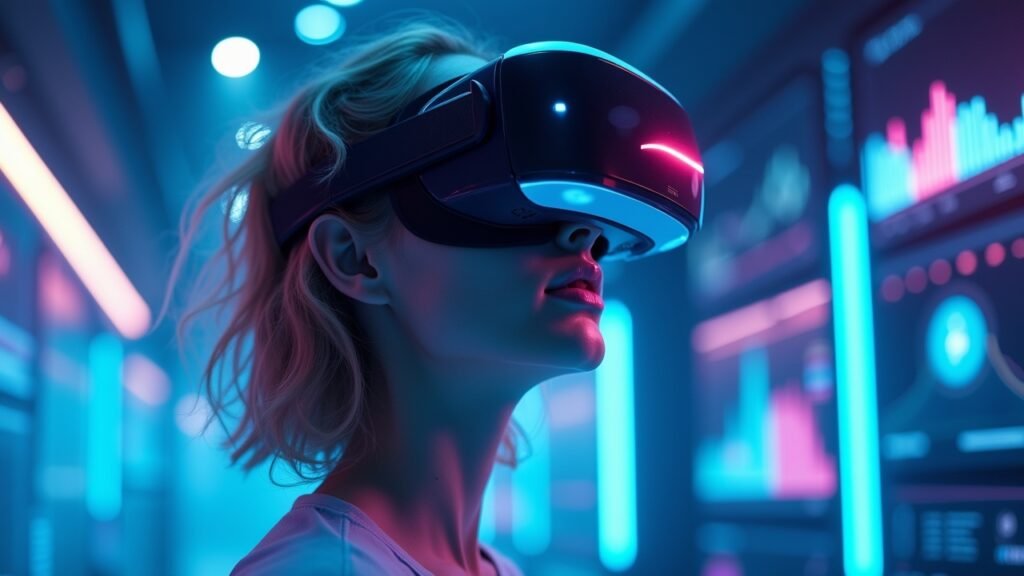
Here’s the deal – VR isn’t just for gamers anymore. I use mine for work meetings, virtual travel (way cheaper than actual travel, trust me), and even meditation sessions. The 2026 lineup has seriously upped the game with better resolution, lighter designs, and battery life that doesn’t die faster than my phone on a bad day.
The technology has finally caught up with the hype. We’re talking about headsets with pancake lenses, eye-tracking that actually works, and mixed reality features that blend your actual room with digital content seamlessly.
My Top Picks After Months of Testing
The Meta Quest 4 Pro – The All-Arounder That Surprised Me
I’ll be honest, I was skeptical about Meta’s latest offering. But man, was I wrong! The Quest 4 Pro has become my daily driver, and there’s good reasons for that.
The display resolution sits at a gorgeous 2400 x 2400 per eye, which means text is actually readable now without squinting. Remember when reading in VR gave you instant headaches? Those days are gone, my friend. The color passthrough is so good that I’ve accidentally tried to grab my real coffee cup while wearing the headset – yeah, that happened last Tuesday.
Battery life clocks in around 3-4 hours for intensive gaming, which is pretty solid. Though I did make the rookie mistake of forgetting to charge it before a big presentation once. Not fun when your headset dies mid-pitch!
Apple Vision Pro 2 – When Money Isn’t an Object
Alright, let’s talk about the elephant in the room. This thing costs more than my first car did. But holy smokes, the experience is unmatched if you can swing the price tag.
Apple’s spatial computing approach has been refined even further in their second generation. The eye tracking is so precise it’s almost creepy – it knows what you’re looking at before you do. I’ve been using it for work, and productivity apps on this headset are genuinely useful, not just gimmicky.
The downside? Weight. At around 650 grams, longer sessions can get uncomfortable. Plus, you’re locked into Apple’s ecosystem, which isn’t everyone’s cup of tea. But if you’re already deep in that world, the integration is seamless.
PlayStation VR3 – The Gaming Beast
Sony knocked it out of the park this year. The PlayStation VR3 is what I grab when I want pure, unadulterated gaming experiences without any fuss.
Setup was surprisingly painless – I had it running in under 10 minutes, which is saying something because I’m notoriously bad at following instructions. The haptic feedback in the controllers is next-level; you can actually feel the texture differences between surfaces in games, which blew my mind the first time I experienced it.
However, you need a PS5 to use it, so factor that into your budget. And the cable, while improved, is still there. Sometimes I forget about it and nearly clothesline myself turning around quickly.
HTC Vive XR Elite 2 – The Professional’s Choice
This one’s been my go-to for professional applications. The XR Elite 2 bridges virtual and augmented reality better than anything else I’ve tested, making it perfect for design work and collaborative projects.
What really impressed me was the mixed reality capabilities. I can overlay digital models onto my actual workspace, which has been invaluable for my 3D modeling projects. The adjustable form factor means I can switch between full VR immersion and a lighter glasses-style mode for AR tasks.
Price point sits in the mid-to-high range, but for business use, it’s justified. Consumer-wise, it might be overkill unless you’re really into productivity applications or professional creative work.
What You Actually Need to Know Before Buying
Don’t make the mistakes I made early on. First, consider your play space – I learned this the hard way when I punched my ceiling fan during a boxing game. Ouch. You need at least 6.5 feet by 6.5 feet for room-scale experiences to feel right.
Think about comfort too. Try before you buy if possible, because everyone’s head shape is different. What feels great on my noggin might give you pressure points. Also, if you wear glasses like me, make sure the headset accommodates them or offers prescription lens inserts.
Battery life matters more than you think. Nothing kills the vibe faster than your headset dying during a crucial gaming moment or important meeting. I always keep mine charged now, lesson learned!
Your Next Steps Into Virtual Worlds
So here’s my advice after living with these headsets for months – start with what fits your primary use case. Gaming? Go PlayStation VR3. Work and productivity? Consider the Apple or HTC options. Want the best all-around experience without breaking the bank completely? Meta Quest 4 Pro is your friend.
Remember, VR technology moves fast, but 2026’s offerings are mature enough that you won’t feel outdated next month. These headsets represent real, practical improvements over previous generations, not just incremental spec bumps.
Take your time researching, and maybe check out some demos at your local electronics store. Your comfort and use case should drive the decision, not just the specs sheet. And hey, always make sure you’ve got enough space cleared out – trust me on this one!
Want more tech insights and honest reviews? Head over to Voltzora where we dive deep into the latest gadgets and gear without the marketing fluff. We’re just regular folks sharing what actually works in real life!