So here’s a wild stat for you – professional esports players practice between 8-12 hours a day, and yet most of them will tell you that raw practice time isn’t even the most important factor in getting better! I remember when I first jumped into competitive gaming about five years ago, thinking I could just grind matches endlessly and magically climb the ranks. Spoiler alert: I was stuck in the same tier for like six months straight.
The thing is, competitive gaming isn’t just about having sick reflexes or knowing every map by heart. It’s way deeper than that, and honestly, I wish someone had sat me down early on and explained what actually matters when you’re trying to level up your game.
Master Your Main Before Chasing the Meta

Look, I get it. Every time a new patch drops or some pro player switches characters, we all want to jump on that bandwagon. But here’s what I learned after embarrassing myself in way too many ranked matches – you’re way better off being exceptional with one or two characters than mediocre with the entire roster.
I used to switch mains every other week because some YouTuber said X character was “broken” or “OP.” Eventually, my friend Jake called me out on it during a particularly rough losing streak. He was like, “Dude, you’re playing musical chairs with your character select screen.” And he wasn’t wrong!
The game sense, muscle memory, and matchup knowledge you build with one main character? That stuff takes hundreds of hours to develop properly. Once I committed to actually learning my character’s frame data and optimal combos instead of constantly switching, my win rate jumped from like 48% to 63% in just two months.
VOD Review Changed Everything for Me
This one’s gonna sound boring, but seriously – reviewing your own gameplay is probably the fastest way to improve at competitive gaming. Most gaming platforms now have built-in recording features, so there’s really no excuse not to do this.
I used to think watching my matches back was gonna be tedious as hell. But then I started noticing patterns in my losses that I completely missed during actual gameplay. Like, I’d see myself making the same positioning mistake over and over, or falling for the same bait tactics repeatedly. It was kind of embarrassing, honestly, but also super enlightening!
The best part? You don’t even need fancy analysis software. Just pull up Twitch or YouTube, watch your last five losses, and ask yourself three questions each time you die: What happened? Why did it happen? What could I have done differently?
Your Setup Matters More Than You Think
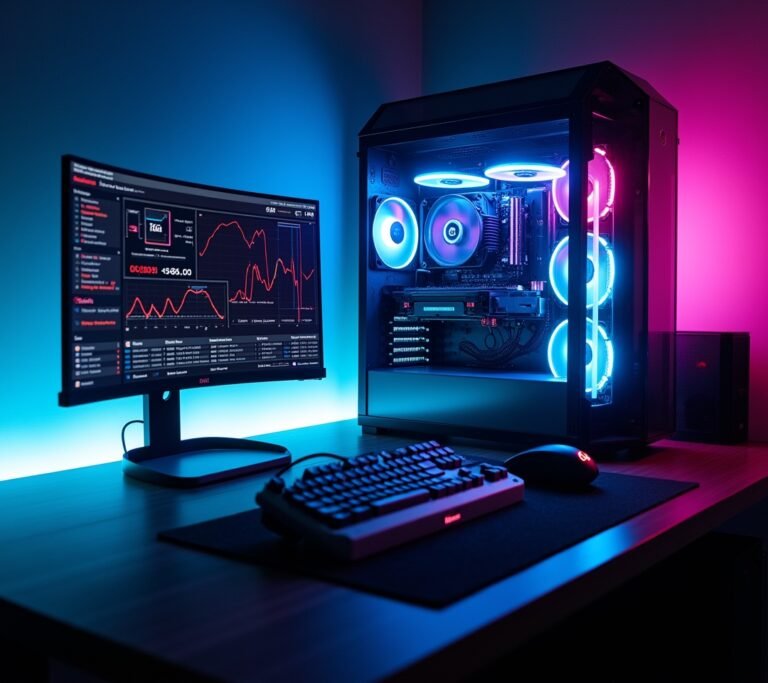
Okay, so I’m not saying you need to drop thousands on the latest gaming peripherals. But having the right equipment definitely makes a difference, especially as you climb higher in competitive ranks where milliseconds matter.
My biggest mistake early on was playing on a TV with massive input lag. I kept blaming my reaction time, thinking I was just getting old or something! Then I switched to a proper gaming monitor with a 1ms response time, and suddenly I was hitting parries and blocks I’d been missing for months. The improvement was ridiculous.
Same goes for your internet connection – and this one’s non-negotiable. Wireless might be convenient, but if you’re serious about competitive play, you gotta use an ethernet cable. I learned this lesson during a tournament qualifier where my WiFi decided to crap out right during the finals. Never again.
Mental Game and Tilt Management
Here’s something nobody talks about enough – your mindset matters just as much as your mechanics. I’ve lost count of how many winning streaks I’ve blown because I went on tilt after one bad match.
Tilt is real, folks. It’s that frustrating feeling when you start playing worse because you’re angry or tilted from previous losses. What works for me now is the “two loss rule” – if I lose two ranked matches in a row, I take a break. Doesn’t matter if I’ve only been playing for 30 minutes. I’ll go grab a snack, watch some gaming content, or just do literally anything else for 15-20 minutes.
Also, turning off chat helped my mental game tremendously. Yeah, yeah, I know communication is important for team-based games, but toxic teammates will absolutely destroy your confidence and focus. Mute liberally, friends.
Finding Your Practice Routine That Actually Sticks
So everyone says “practice makes perfect,” but what does that actually mean for competitive gaming? Because mindlessly grinding matches isn’t really practicing – it’s just playing.
I structure my gaming sessions now into three parts: 15 minutes of warm-up in training mode or casual matches, then focused ranked play for however long I’m playing that day, and then I end with reviewing at least one match. This structure was something I picked up from watching how professional players approach their practice, and it’s been way more effective than my old method of just jumping straight into ranked.
The warm-up part is crucial, trust me. Your first match of the day shouldn’t be a high-stakes ranked game where you’re still shaking off the rust. I learned this after tanking my rating multiple times by treating ranked like warm-up matches.
Your Next Level Awaits
Listen, getting better at competitive gaming is a marathon, not a sprint. Some days you’ll feel like a god, other days you’ll wonder why you even boot up the game. That’s completely normal, and it happens to everyone from bronze players to world champions.
The tips I’ve shared here aren’t revolutionary – they’re just the fundamentals that actually work when you stick with them consistently. Master your main, review your gameplay honestly, invest in decent equipment, protect your mental health, and practice with purpose. Do those things, and I promise you’ll see improvement.
Remember though, at the end of the day, gaming should still be fun. Don’t let the competitive grind suck all the joy out of why you started playing in the first place. And hey, if you want more tips on leveling up your gaming experience, head over to Voltzora where we’ve got tons of other articles covering everything from hardware recommendations to advanced strategy guides. Keep grinding, stay positive, and I’ll see you on the leaderboards!